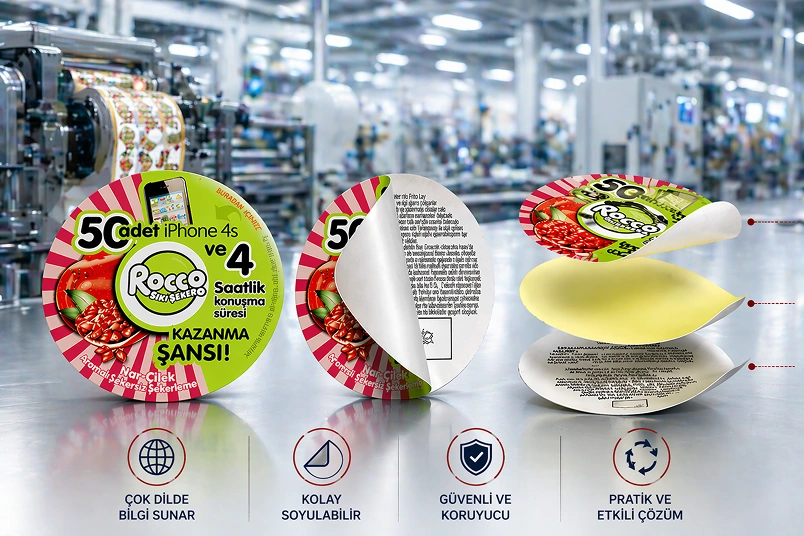
Multi-layer labels are a type of label that contains multiple layers, with the top layer being peel-off. They are used to present information in multiple languages on a single package, to include detailed usage instructions, or to create promotional content. They are commonly preferred in export packaging for the pharmaceutical, food, and cosmetics industries.
Multi-layer labels consist of two or more layers bonded together. The bottom layer adheres to the product, while the top layer is peelable. When the top layer is peeled off, additional information, different language options, or promotional content are revealed. Since the top layer can be re-adhesive, it allows for easy peel-and-open use.
| Sector | Intended Use | Example Application |
|---|---|---|
| Medicine | Multilingual usage instructions | Export pharmaceutical packaging |
| Food | Multilingual content and allergen information. | EU export food packaging |
| Cosmetic | Detailed user instructions, multilingual information. | Shampoo, cream, lotion |
| Cleaning | Security alerts, multilingual information. | Detergent, bleach |
| Promotion | Campaign code, discount coupon | Retail products |
Peel-off labels are a subtype of multi-layer labels. While the top layer of a peel-off label is completely peeled off, the top layer of a multi-layer label may have a resealable, open-and-close mechanism and can be reattached. In the pharmaceutical industry, peel-off labels are commonly preferred for usage instructions, while resealable multi-layer labels are used in promotional applications.
Multi-layer labels typically consist of 2 or 3 layers. More layers are possible for special applications. Different content, language, or promotional material can be printed on each layer. As the number of layers increases, the label thickness and cost also increase.
Companies exporting to the EU are required to provide information in the target country's language. Multi-layered labeling is the most practical way to meet this requirement in a single package. It is a much more economical solution than producing separate packages.
Yes. Since multi-layer labels are produced in a standard roll format, they are compatible with existing labeling machines. Machine settings should be adjusted according to the label thickness.
Yes. It is a legal requirement for medication packaging to contain complete instructions for use, dosage information, and warnings. Multi-layer labeling ensures this information is included on the packaging. For detailed information, please see our medication labels page.
A campaign code, discount coupon, or QR code is printed on the top layer. The consumer opens the label to access the promotional content. This method is the most practical way to run a campaign without changing the product packaging. For detailed information, please see our multi-layer label page.
Doğa Barcode Labels manufactures 2- and 3-layer peel-off and resealable multi-layer labels. We offer customized solutions for export packaging, pharmaceuticals, food, and promotional applications. You can review our multi-layer label page or contact us to request a quote.
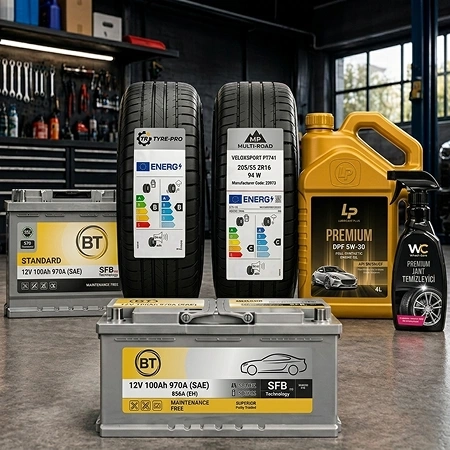
In the automotive industry, label selection is based on requirements such as high temperature resistance, chemical contact resistance, UV resistance, and longevity. Labels for lubricants, tires, batteries, and spare parts, unlike standard labels, must be produced with special materials and adhesives that are resistant to harsh conditions.
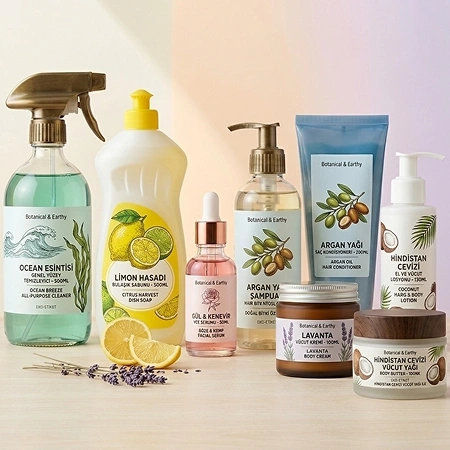
Material selection for detergent and cosmetic labels is determined by chemical resistance, moisture resistance, surface compatibility, and aesthetic requirements. Incorrect material selection can lead to label fading, peeling, or falling off the packaging. PP, PE, and polyester are the most commonly preferred materials.
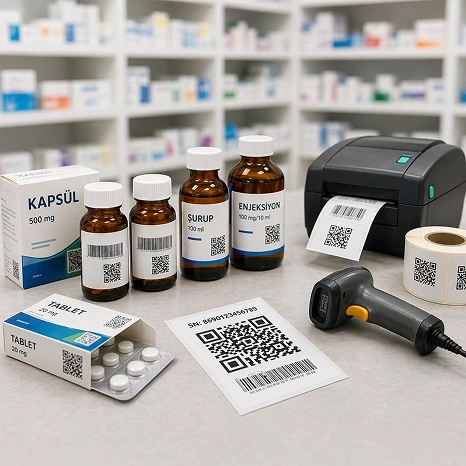
Traceability on drug labels is ensured through technologies such as barcodes, QR codes, serial numbers, and data matrices. Tracking each unit of medication from production to consumption is a legal requirement. In Türkiye, under the Ministry of Health's Drug Tracking System (ITS), all medications are required to be marked with a QR code.
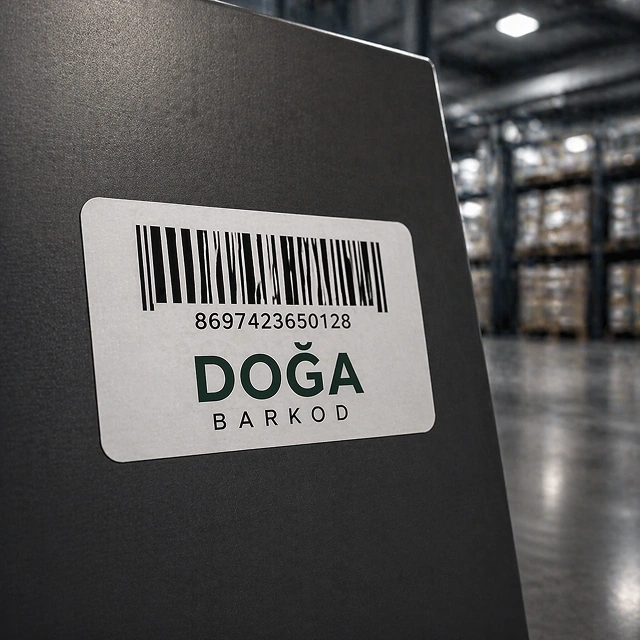
High-strength labels are a special type of label that maintains its durability for extended periods against extreme temperatures, humidity, chemical contact, and outdoor conditions. They are preferred in industrial equipment, automotive, machinery, and outdoor applications where standard labels are insufficient.
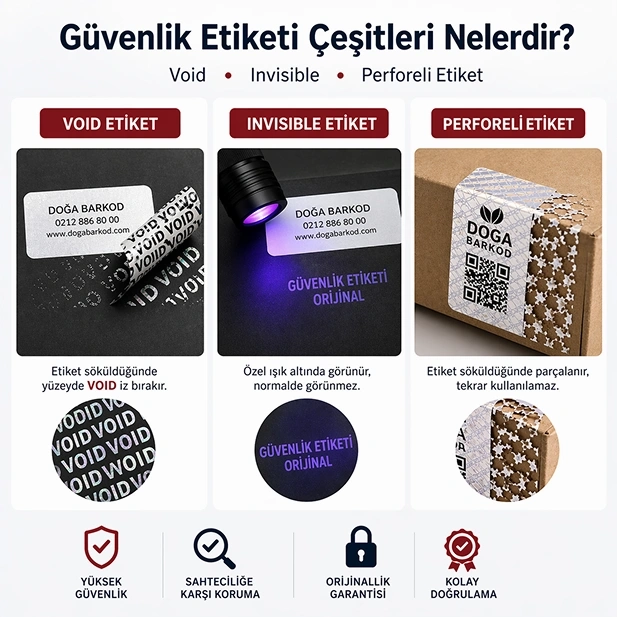
A security label is a special type of label that indicates that a product or packaging has been tampered with, opened, or counterfeited. There are various types offering different levels of security, including void, invisible, perforated, fragile, and holographic labels. They are used to ensure product safety in the pharmaceutical, cosmetics, electronics, and food industries.
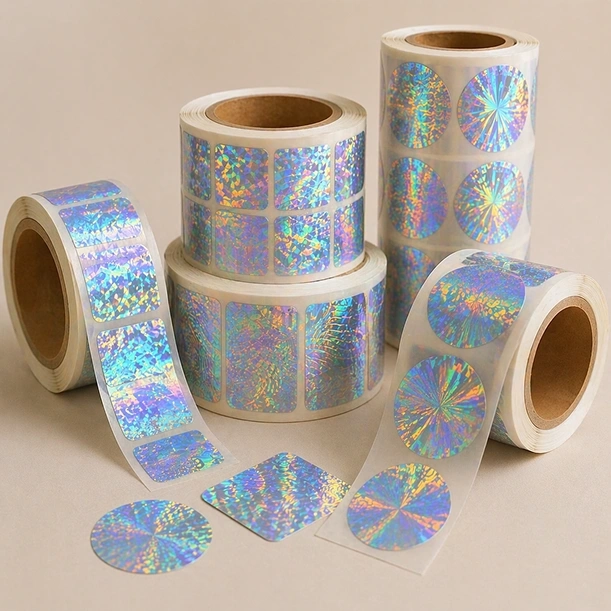
Hologram labels are security labels that feature a holographic effect that changes color in three dimensions under light. They provide visual verification against counterfeiting and product copying. They are used to guarantee product safety in the pharmaceutical, cosmetics, electronics, and premium food industries.
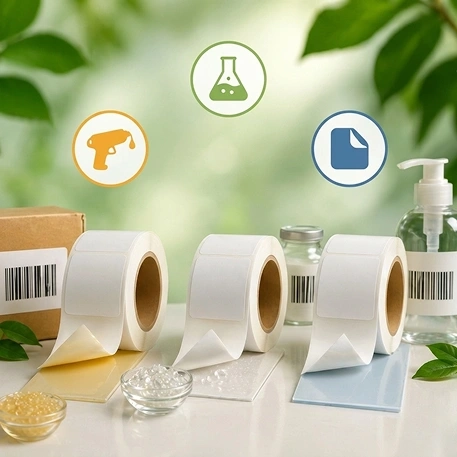
Adhesive label glue types are classified as hotmelt, acrylic, nonpermanent (removable), freezer-freeze, and re-adhesive glues. The correct glue selection is determined by the product's usage conditions, surface type, and temperature requirements.
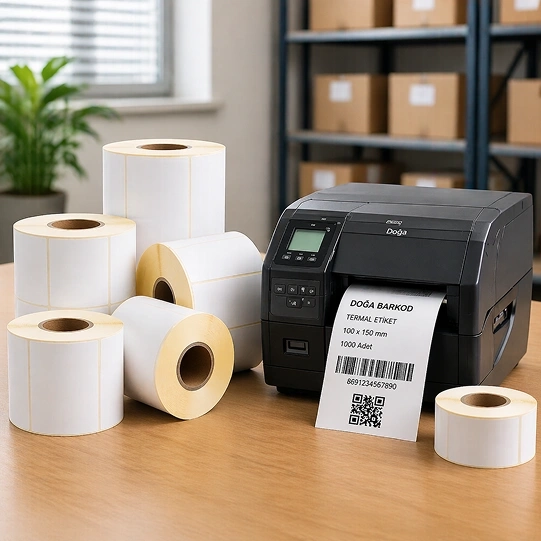
Thermal labels are a type of label that contains a special heat-sensitive coating and can be printed with thermal printers without the need for ink. They are widely used in logistics, warehousing, shipping, and retail sectors for printing barcodes, QR codes, and variable data.
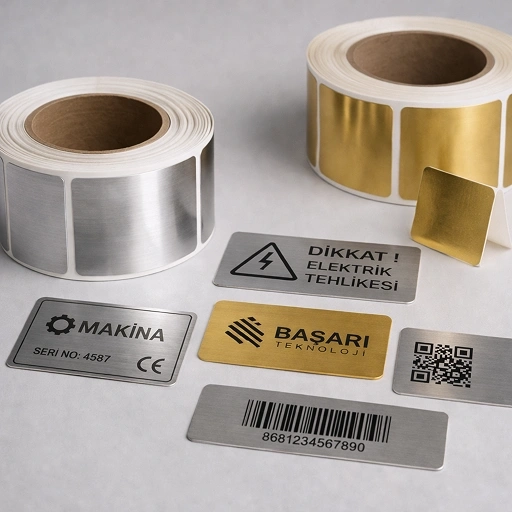
Metallic labels are a type of label made from special materials containing aluminum or metallic coatings, offering a bright and premium appearance. They are preferred in cosmetics, perfumes, olive oil, and industrial products to enhance brand value. Thanks to their waterproof structure, they are resistant to moisture and oil.
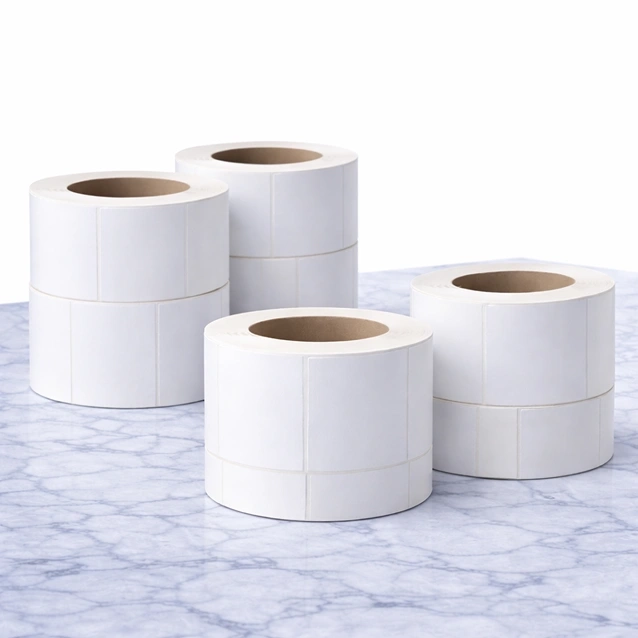
Roll labels are a type of adhesive label wound in a reel format for use in labeling machines. They are integrated into high-speed production lines with automated labeling systems. It is the most commonly used label format in the food, pharmaceutical, cosmetics, and logistics industries.
