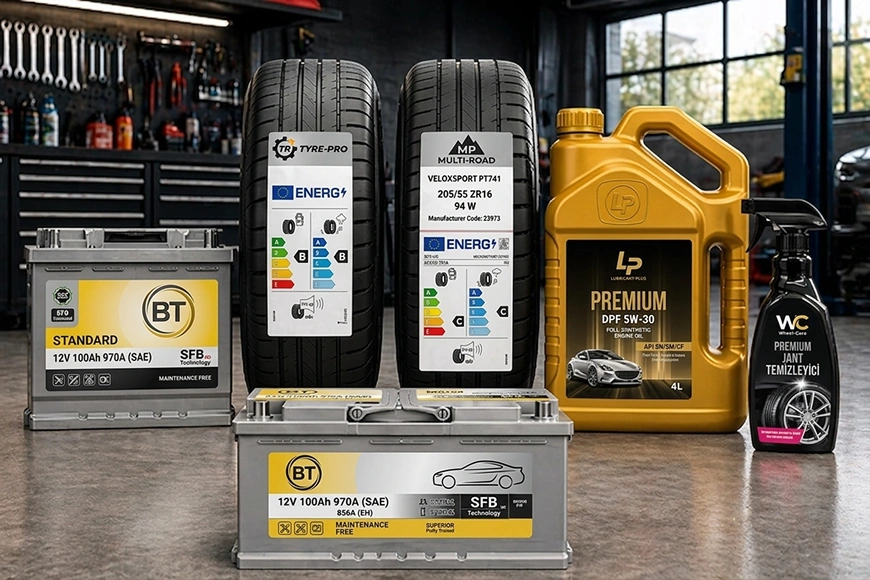
In the automotive industry, label selection is based on requirements such as high temperature resistance, chemical contact resistance, UV resistance, and longevity. Labels for lubricants, tires, batteries, and spare parts, unlike standard labels, must be produced with special materials and adhesives that are resistant to harsh conditions.
| APPLICATION | Suggested Materials | Recommended Adhesive | Special Needs |
|---|---|---|---|
| Mineral Oil Bottle | PP or polyester | Oil-resistant adhesive | Chemical resistance |
| Tire Label | Polyester or vinyl | Aggressive adhesive | UV and moisture resistance |
| Battery Label | Polyester or PP | Chemical-resistant adhesive | Acid resistance |
| Engine Label | Aluminum foil or polyester | High temperature adhesive | 150-200 degree resistance |
| Spare Part Label | Polyester or synthetic paper | Permanent adhesive | Longevity |
| Antifreeze and Chemicals | PP or polyester | Chemical-resistant adhesive | Solvent resistance |
Since motor oil bottles come into direct contact with oil, the label material and adhesive must be oil-resistant. PP or polyester material should be preferred. High print quality is important for brand image. Because motor oil bottles are generally made from HDPE material, a special aggressive adhesive formulation may be required.
Tire labels are used in both manufacturer and dealer labeling processes. Polyester or vinyl materials, resistant to outdoor conditions and UV rays, should be preferred. Because the tire surface is irregular and porous, an aggressive adhesive providing strong adhesion is necessary.
Battery labels are exposed to acid vapors and chemical environments. Therefore, a combination of polyester or PP material with chemically resistant adhesive should be preferred. Lamination is recommended to ensure warning symbols and technical information remain legible for a long time.
Labels used around the engine must withstand a minimum temperature of 150-200 degrees Celsius. For applications near the exhaust or turbocharger, special high-temperature labels withstand temperatures up to 300 degrees Celsius may be required. It is recommended to specify the maximum temperature rating during the ordering process.
Yes, but because the rubber surface is porous and irregular, a special aggressive adhesive formulation is required. Ensuring the surface is clean and dry before application improves adhesion quality.
Yes. CE compliant and RoHS compliant materials and inks can be used on automotive labels intended for export or the EU market. Compliance requirements must be specified during the ordering process.
Spare part labels must remain readable and adherent for the entire life of the vehicle. The combination of polyester material and permanent adhesive can provide 5-10 years of durability. For detailed information, please see our high-strength labels page.
At Doğa Barcode Label, we produce automotive-specific labels in polyester, aluminum foil, PP, and vinyl materials. We offer solutions that provide high temperature, chemical resistance, and UV resistance for labels on lubricants, tires, batteries, engines, and spare parts. You can review our automotive and durable consumer goods labels page or contact us to request a quote.

Material selection for detergent and cosmetic labels is determined by chemical resistance, moisture resistance, surface compatibility, and aesthetic requirements. Incorrect material selection can lead to label fading, peeling, or falling off the packaging. PP, PE, and polyester are the most commonly preferred materials.
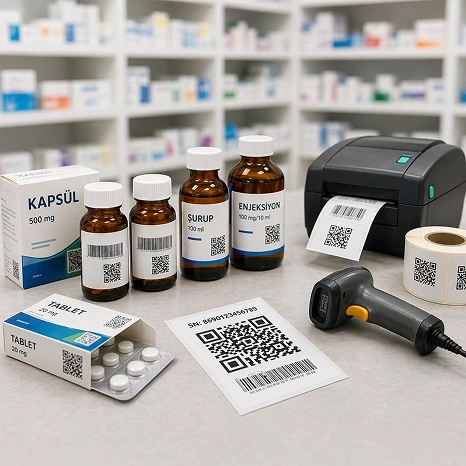
Traceability on drug labels is ensured through technologies such as barcodes, QR codes, serial numbers, and data matrices. Tracking each unit of medication from production to consumption is a legal requirement. In Türkiye, under the Ministry of Health's Drug Tracking System (ITS), all medications are required to be marked with a QR code.
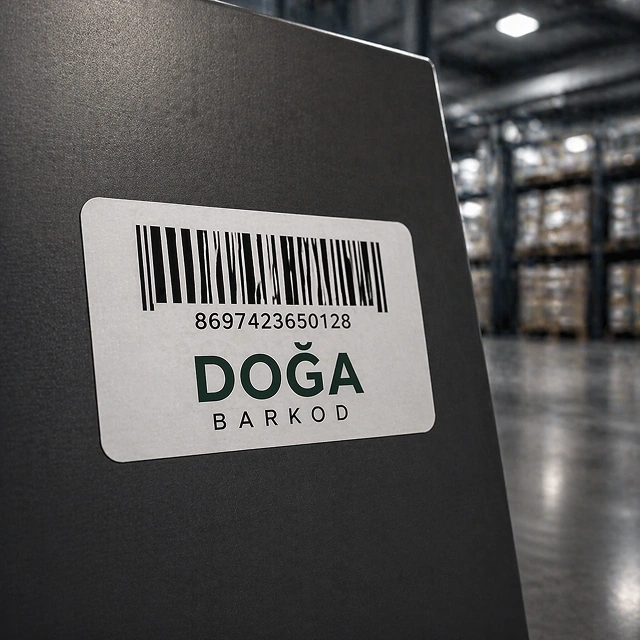
High-strength labels are a special type of label that maintains its durability for extended periods against extreme temperatures, humidity, chemical contact, and outdoor conditions. They are preferred in industrial equipment, automotive, machinery, and outdoor applications where standard labels are insufficient.
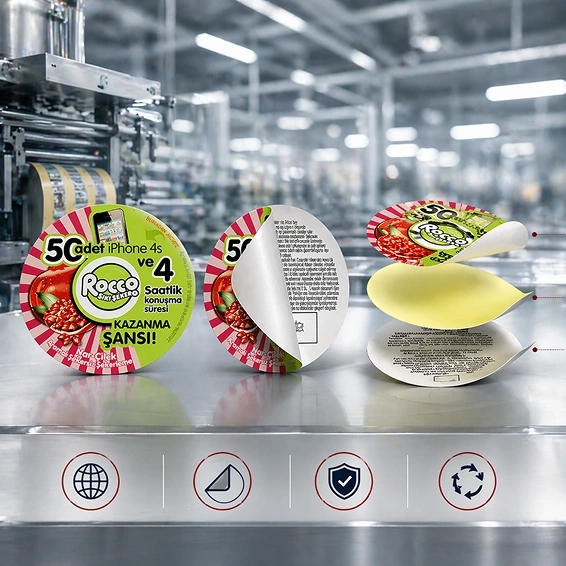
Multi-layer labels are a type of label that contains multiple layers, with the top layer being peel-off. They are used to present information in multiple languages on a single package, add detailed usage instructions, or create promotional content. They are commonly preferred in export packaging for the pharmaceutical, food, and cosmetics industries.
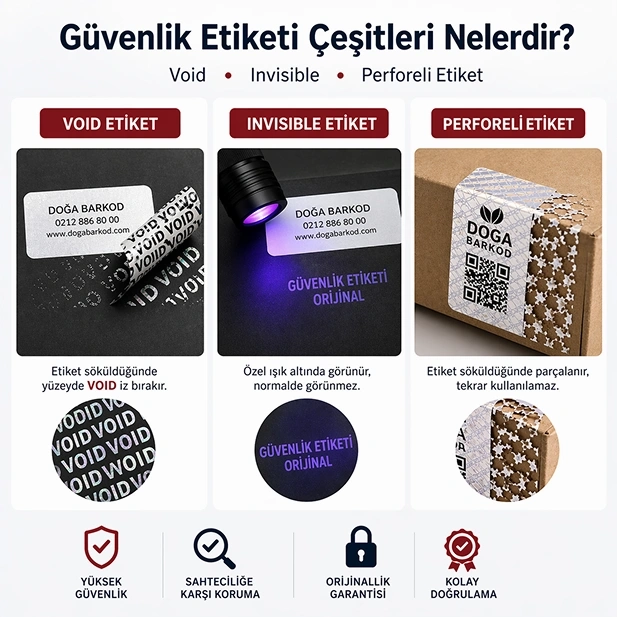
A security label is a special type of label that indicates that a product or packaging has been tampered with, opened, or counterfeited. There are various types offering different levels of security, including void, invisible, perforated, fragile, and holographic labels. They are used to ensure product safety in the pharmaceutical, cosmetics, electronics, and food industries.
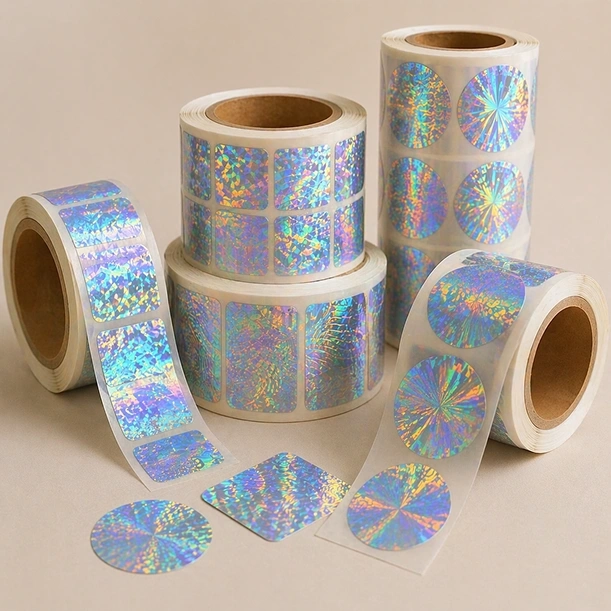
Hologram labels are security labels that feature a holographic effect that changes color in three dimensions under light. They provide visual verification against counterfeiting and product copying. They are used to guarantee product safety in the pharmaceutical, cosmetics, electronics, and premium food industries.

Adhesive label glue types are classified as hotmelt, acrylic, nonpermanent (removable), freezer-freeze, and re-adhesive glues. The correct glue selection is determined by the product's usage conditions, surface type, and temperature requirements.
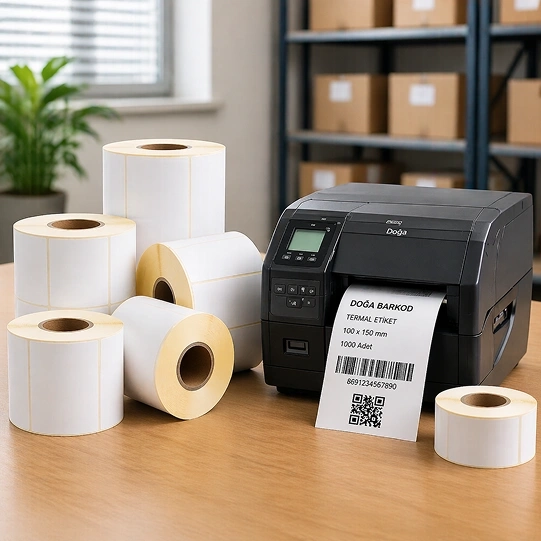
Thermal labels are a type of label that contains a special heat-sensitive coating and can be printed with thermal printers without the need for ink. They are widely used in logistics, warehousing, shipping, and retail sectors for printing barcodes, QR codes, and variable data.
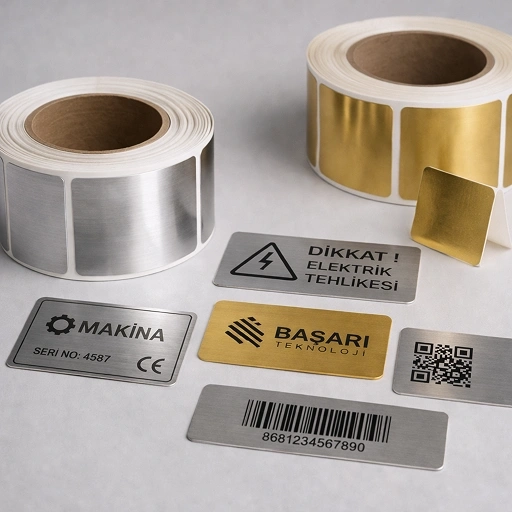
Metallic labels are a type of label made from special materials containing aluminum or metallic coatings, offering a bright and premium appearance. They are preferred in cosmetics, perfumes, olive oil, and industrial products to enhance brand value. Thanks to their waterproof structure, they are resistant to moisture and oil.
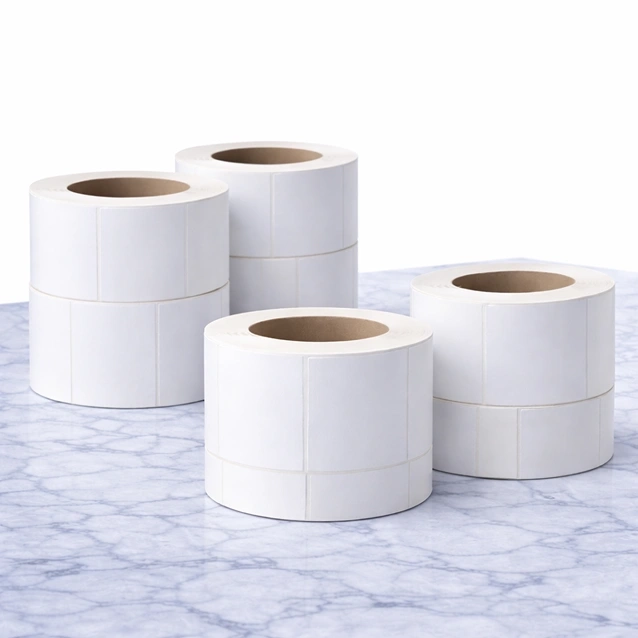
Roll labels are a type of adhesive label wound in a reel format for use in labeling machines. They are integrated into high-speed production lines with automated labeling systems. It is the most commonly used label format in the food, pharmaceutical, cosmetics, and logistics industries.
