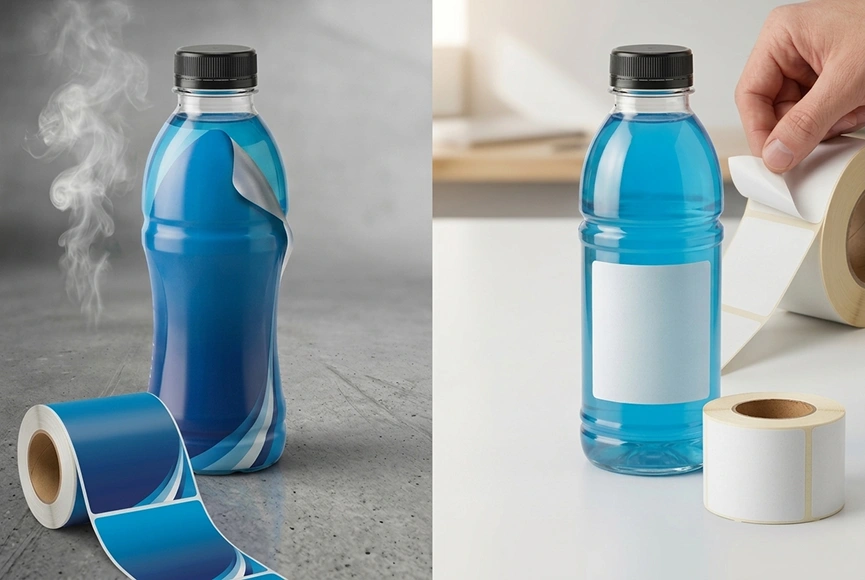
Shrink sleeve labels are a packaging solution that conforms to the product shape using heat and offers a 360-degree printing area. Adhesive labels, on the other hand, are a traditional type of label with an adhesive backing that is applied directly to the product surface. Which label to choose for which product depends on the product shape, industry, and budget.
Shrink sleeve labels are a packaging solution made from PVC, PET-G, or OPS materials that are heat-tuned to perfectly conform to the product shape. Thanks to their 360-degree printing area, the entire surface of the packaging can be used. They are widely preferred in the beverage, cosmetics, and cleaning product industries.
Adhesive labels are a type of label that is self-adhesive, produced in roll format, and applied directly to the product using labeling machines. They can be produced in various materials such as coated paper, PP, PE, and polyester. They are the most commonly used type of label for food, pharmaceuticals, cosmetics, and industrial products.
| Feature | Shrink Sleeve Label | Adhesive Labels |
|---|---|---|
| Printing area | 360-degree full coverage | Front, back, or perimeter |
| Application method | Heat tunnel | Labeling machine |
| Material | PVC, PET-G, OPS | Coated paper, PP, PE, polyester |
| Product form conformity | It fits every form. | Ideal for flat surfaces. |
| Cost | Higher | More economical |
| Minimum order | High quantity | Low menstrual period is possible |
| Environmentally friendly option | PET-G is recyclable. | FSC certified paper |
| The sector where it is most used | Beverages, cosmetics | Food, pharmaceutical, industrial |
Yes, it is generally more expensive. The unit cost is higher due to the heat tunnel equipment and the use of specialized materials. However, the 360-degree printing area and strong visual impact offset this cost.
Yes. Both types have materials and adhesive options that comply with food safety standards. Food-grade production should be requested during the ordering process.
Yes. It shrinks when heated, perfectly conforming to the product shape. It can be successfully applied to cylindrical, square, oval, or irregular shapes.
Yes, but standard adhesive may not be sufficient. For frozen or cold chain products, a deep freezer adhesive option should be preferred.
As Doğa Barkod Etiket, we serve leading brands in Turkey with both shrink sleeve labels and adhesive labels Contact our expert team for the most suitable label solution for your product.
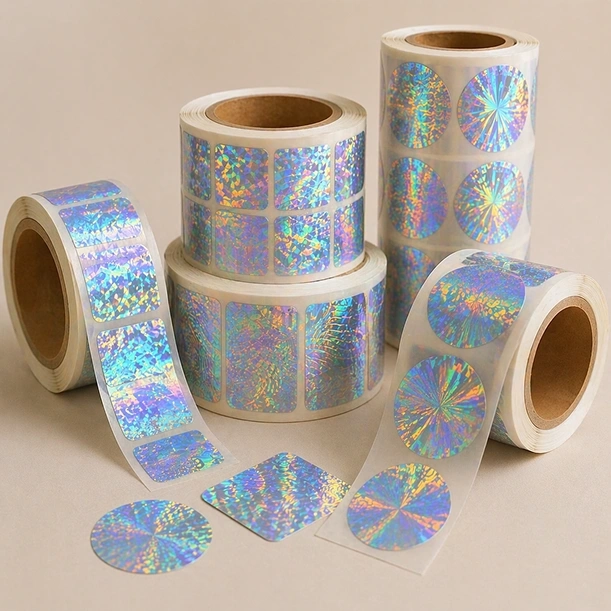
Hologram labels are security labels that feature a holographic effect that changes color in three dimensions under light. They provide visual verification against counterfeiting...

Adhesive label glue types are classified as hotmelt, acrylic, nonpermanent (removable), freezer-freeze, and re-adhesive glues. The correct glue selection is determined by the pr...
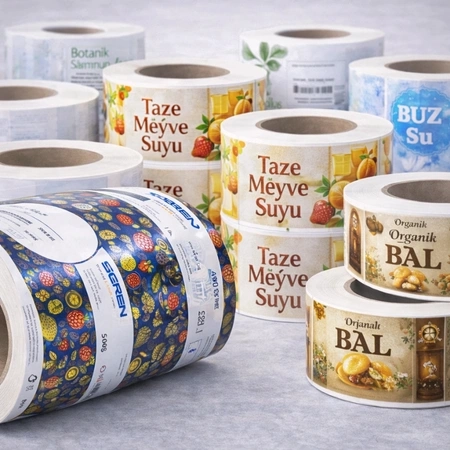
Factors to consider when ordering labels include material selection, minimum order quantity, print quality, delivery time, and price. Choosing the right label company should be ...
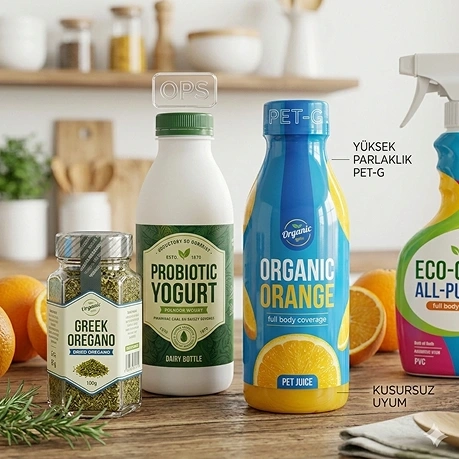
Shrink sleeve labels are packaging labels that conform perfectly to the product shape through heat application and offer a 360-degree printing area. They are produced from three...
